

Rodent Exterminator Sydney: What to Expect from the Process
This guide explains what they typically do, what clients can expect at each step, and how long it usually takes.
What usually triggers a call to a rodent exterminator in Sydney?
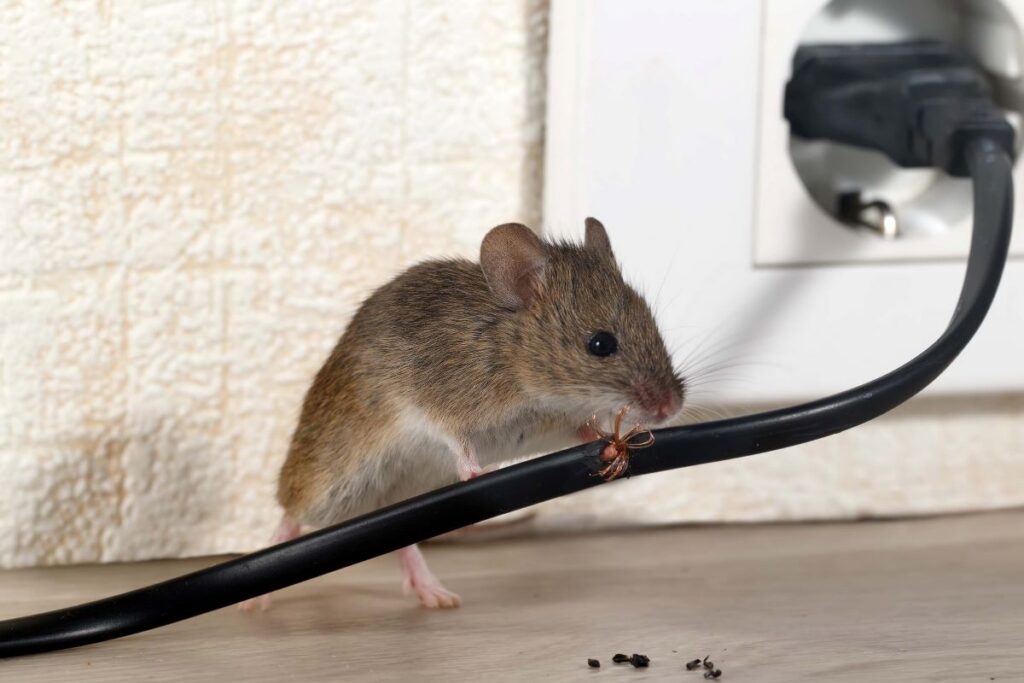
Most bookings for a rodent exterminator Sydney start after scratching in walls or ceilings, droppings in cupboards, or a persistent musky smell. Others call after noticing chew marks on packaging, pet food, insulation, or cables.
In commercial sites, the first sign is often gnawing around stock, activity near bins, or staff spotting rodents at dusk. A fast response from a rodent exterminator Sydney matters because rodents breed quickly and can spread through neighbouring properties.
What happens during the first inspection?
They usually begin with a structured walkthrough, focusing on kitchens, roof voids, subfloors, garages, and bin areas. The goal is to confirm the species, estimate activity levels, and identify the main entry points.
They often look for droppings size and shape, rub marks along skirting boards, burrows outside, grease trails, and chewing damage. They may also note conditions that attract rodents, such as open food storage, cluttered storage rooms, and gaps around pipes.
How do they figure out where rodents are getting in?
They typically map likely travel routes and check the “edges” of a building. Common access points include gaps under doors, weep holes, broken vents, roof tiles, and openings around plumbing and air-conditioning lines.
They often measure or photograph problem gaps and explain which ones should be sealed first. In many Sydney properties, the issue is not one large hole but multiple small gaps that add up to easy access.
What treatment methods do rodent exterminators commonly use?
Most professionals use a mix of trapping, baiting, and proofing recommendations. The right method depends on the site, the rodent species, and whether children, pets, or food handling areas are present.
They may use:
- Snap traps or enclosed traps for targeted control in sensitive areas.
- Bait stations placed in secure, tamper-resistant boxes along runways or external perimeters.
- Monitoring blocks or tracking tools to confirm movement before heavier treatments.
- Non-lethal options where appropriate, though removal still needs entry-point control to prevent re-entry.
They should explain why a method fits the situation, not just what they are using.
Is rodent baiting safe for children and pets?
It can be, when done correctly and with the right controls. Professionals generally place baits in locked stations, position them away from non-target access, and follow label directions and regulations.
They should also brief occupants on basic rules, such as not moving stations, keeping pets away from treatment zones, and reporting any unusual finds. If a household has high-risk pets or small children, they usually adjust placement and may rely more on traps and exclusion measures.
How long does the extermination process usually take?
The first visit is often the longest because inspection and setup take time. Results can begin within days, but full control often needs follow-ups, especially for established infestations.
A typical timeline looks like this:
- Day 1: Inspection, identification, placement of traps or stations, and a plan for sealing entry points.
- Days 3 to 10: Activity drops if placement is correct and attractants are controlled.
- 1 to 3 follow-ups: They may rebait, reposition, remove carcasses, and confirm the infestation is collapsing.
If proofing is delayed, the timeline can stretch because rodents can keep entering from outside. You may like to read this guide on how to find a reliable pest control service for your property in Balmain for practical tips on choosing the right provider.
What should clients do before the exterminator arrives?
They usually ask for simple prep, not a full cleanout. Clearing access makes inspection faster and improves placement accuracy.
Helpful steps include:
- Removing clutter near skirting boards and under sinks.
- Storing food in sealed containers and reducing open pet food bowls overnight.
- Taking out rubbish and keeping bin lids closed.
- Not disturbing droppings piles before they arrive, since it helps confirm activity zones.
If there is a roof manhole, they often appreciate clear access to it.
What happens after treatment, and how do they confirm success?
They typically check consumption levels in bait stations, reset traps, and look for fresh droppings or new chewing. They may also recommend cleaning and hygiene steps once activity is under control.
Success is usually confirmed by a combination of reduced signs, no new droppings, and stable monitoring results over time. They may also advise ongoing monitoring in high-risk properties, such as restaurants, warehouses, and homes near bushland or waterways.
Will rodents come back after extermination?
They can, especially in Sydney where food sources and shelter are common and neighbouring activity is possible. Long-term success depends on prevention, not just removal.
Most professionals will recommend “proofing” steps like sealing gaps, repairing vents, fitting door sweeps, trimming vegetation away from walls, and improving waste storage. If these steps are ignored, new rodents can replace the old ones quickly.
How much disruption should they expect during the process?
Most treatments are low disruption. They may need brief access to key areas like the kitchen kickboards, roof void, subfloor, or storage rooms.
Noise and mess are usually minimal, though there may be short-term odour risk if rodents die in inaccessible cavities. A good operator explains this risk upfront and suggests ways to reduce it, including targeted trapping and improving access points where possible.
How do they choose the right rodent exterminator in Sydney?
They should look for clear communication, a written plan, and a focus on entry-point control, not only baiting. They also benefit from choosing a provider who offers follow-ups and explains what the occupants must change to prevent recurrence.
The best fit is usually the exterminator who can show evidence of thorough inspection, safe placement practices, and a realistic timeline. When they combine removal with prevention, the process is smoother, faster, and far more likely to last.
FAQs (Frequently Asked Questions)
What are the common signs that indicate a rodent infestation in Sydney homes or workplaces?
Common signs include scratching noises in walls or ceilings, droppings found in cupboards, a persistent musky smell, visible chew marks on packaging, pet food, insulation, or wiring. In commercial sites, signs often include gnawing around stock, activity near bins, or rodents spotted at dusk.
How does a professional rodent exterminator conduct the initial inspection?
The exterminator performs a structured walkthrough focusing on kitchens, roof voids, subfloors, garages, and bin areas to confirm the rodent species, estimate activity levels, and identify entry points. They look for droppings size and shape, rub marks along skirting boards, burrows outside, grease trails, chewing damage, and conditions attracting rodents like open food storage or gaps around pipes.
What treatment methods do rodent exterminators commonly use in Sydney?
Professionals typically use a mix of trapping (snap traps or enclosed traps), baiting with secure tamper-resistant bait stations, monitoring blocks or tracking tools to assess movement before heavier treatments, and non-lethal options when appropriate. The choice depends on the site conditions, rodent species present, and whether children, pets, or food handling areas are involved.
Is rodent baiting safe for households with children and pets?
When done correctly by professionals using locked bait stations placed away from non-target access areas and following label directions and regulations, rodent baiting can be safe. Exterminators also advise occupants on safety measures like not moving bait stations and keeping pets away from treatment zones. For high-risk households with small children or sensitive pets, they may adjust placement strategies or rely more on traps and exclusion methods.
How long does the rodent extermination process usually take in Sydney properties?
The first visit involves inspection and setup which takes the longest time. Initial results can appear within days; however, full control typically requires follow-ups over 1 to 3 visits spanning days 3 to 10 after treatment to rebait, reposition traps, remove carcasses and confirm infestation reduction. Delays in sealing entry points can extend this timeline as rodents may re-enter from outside.
What steps should clients take before the exterminator arrives to ensure an effective inspection?
Clients should clear clutter near skirting boards and under sinks to improve access for inspection and trap placement. Food should be stored in sealed containers with open pet food bowls reduced overnight. Rubbish should be taken out regularly with bin lids kept closed. It is important not to disturb droppings piles before arrival as they help confirm activity zones. Providing clear access to roof manholes if applicable is also beneficial.