
Commercial Air Conditioning Hills District: What Property Buyers Should Check Before Investing
For buyers assessing Commercial Air Conditioning Hills District, the smartest move is to treat the system like any other major asset. A few targeted checks can reveal hidden upgrades, compliance gaps, and future replacement risk.
What type of air conditioning system is installed, and does it match the building’s use?
The system type should suit the tenancy and the way the space is used day to day. If it is over-sized, under-sized, or the wrong style, tenants often complain and energy costs climb.
In Commercial Air Conditioning Hills District, common setups include split systems for small suites, ducted systems for larger fit-outs, and VRF/VRV for multi-zone buildings. Buyers should confirm the system can handle the property’s occupancy, heat loads, and hours of operation.
How old is the system, and what is its realistic remaining lifespan?
Age alone is not the full story, but it is a strong indicator of future capital expenditure. Many commercial units can run 10–15 years, sometimes longer with excellent maintenance, but performance and efficiency typically decline over time.
Anyone reviewing Commercial Air Conditioning Hills District assets should request installation dates, major component replacement dates (compressors, control boards, fans), and any records of recurring faults. A cheap purchase price can be offset quickly by a full system replacement.
Is there documented maintenance history, and is it consistent?
Maintenance records are one of the clearest signals of how the building has been managed. A consistent log usually means fewer surprises, better efficiency and longer equipment life.
For Commercial Air Conditioning Hills District due diligence, buyers should look for routine servicing intervals, filter changes, coil cleaning, refrigerant checks, and any call-outs for breakdowns. Missing or patchy documentation can indicate neglected equipment and a higher likelihood of early failure.
Does the system cool and heat evenly across all zones?
Uneven temperatures can lead to tenant churn, more service calls, and costly modifications. Hot spots and cold spots often suggest poor duct design, blocked diffusers, failing sensors, or incorrect zoning.
When inspecting Commercial Air Conditioning Hills District properties, buyers should walk the premises with the system running and check multiple areas, not just one showroom or office. They should also ask whether tenants have used portable heaters or fans, which can be a clue that comfort is not being met.
Are controls modern, user-friendly, and set up for tenants?
Controls matter because they drive how the system is actually used. If thermostats are confusing or locked down, occupants override settings, waste energy, and lodge complaints.
With Commercial Air Conditioning Hills District buildings, buyers should check whether the system has zoning control, time scheduling, and basic setpoint limits. They should also confirm who controls what: the tenant, the building manager, or a central system, and whether usage can be metered or allocated fairly.
Is ventilation adequate and compliant for the intended occupancy?
Air conditioning is not just cooling; it must support indoor air quality. Insufficient outside air can create stuffy rooms, odours, condensation, and a higher risk of mould, especially in busy offices, gyms, clinics, and hospitality tenancies.
In the context of Commercial Air Conditioning Hills District, buyers should confirm whether the system provides fresh air, whether there are dedicated outside air units, and whether toilets, kitchens and high-occupancy areas are properly exhausted. If the building is being repositioned for a new use, ventilation upgrades can be significant.
What is the energy efficiency, and what will it cost to run?
Running costs can make or break a tenant’s willingness to renew a lease. Older or poorly tuned systems often consume far more power than expected, particularly if they short-cycle or run after hours.
For Commercial Air Conditioning Hills District evaluation, buyers should ask for recent electricity bills (where available), check equipment energy ratings, and review whether the building has an energy management strategy. Even simple improvements like recommissioning, airflow balancing and control upgrades can change the numbers, but they should be budgeted realistically. Read more about Energy Rating Calculator.
Are there signs of refrigerant issues, leaks, or upcoming compliance problems?
Refrigerant leaks are expensive, disruptive and sometimes a sign the system is nearing end of life. They can also indicate poor maintenance, corrosion, or vibration issues in pipework.
When assessing Commercial Air Conditioning Hills District sites, buyers should ask for any refrigerant top-up history, leak repairs, and pressure test reports. Frequent top-ups are a red flag because refrigerant should not “run out” under normal operation, and repeated leaks often lead to larger corrective works.
Has the building had fit-outs or changes that may have compromised performance?
Tenancy changes often bring new partitions, ceilings, server racks, and higher occupancy. If the original system was never rebalanced or resized, comfort issues and inefficiency follow.
For Commercial Air Conditioning Hills District purchases, buyers should check whether ductwork was altered, diffusers were relocated, or outdoor units were added informally. They should also confirm whether electrical capacity supports the current load, as upgrades can involve switchboards, cabling and approvals.
Is the condenser placement practical, quiet, and accessible for service?
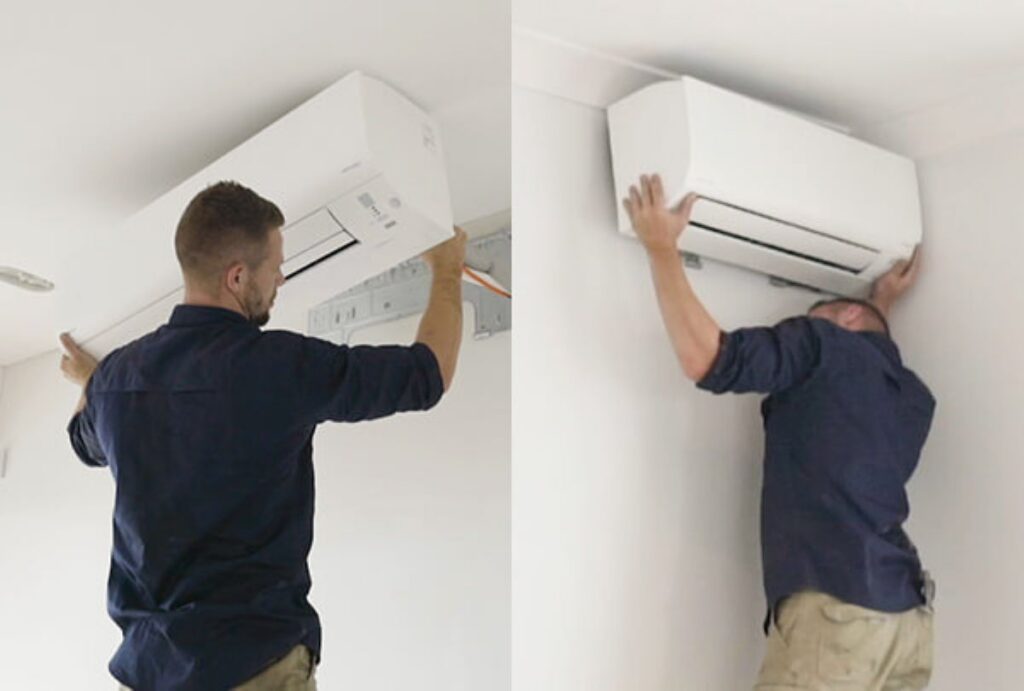
Outdoor unit placement affects noise, maintenance access, and longevity. Units squeezed into tight corners, exposed to excessive sun, or blocked by debris tend to fail sooner and cost more to service.
In Commercial Air Conditioning Hills District, buyers should confirm there is safe access for technicians, that clearances meet manufacturer guidance, and that noise is not likely to trigger neighbour or tenant complaints. Poor access can turn routine servicing into a premium cost item.
Are there warranties, service contracts, or upgrade quotes that transfer with the sale?
Transferable warranties and active service contracts can reduce risk in the first year of ownership. On the other hand, an expiring contract or a pending major quote can indicate that the vendor already expects significant spend.
Buyers reviewing Commercial Air Conditioning Hills District opportunities should request warranty terms, details of any preventative maintenance agreements, and copies of recent quotes for recommended works. If upgrades are needed to secure or retain tenants, those numbers should be reflected in the offer price.
What should buyers do next to confirm condition before settlement?
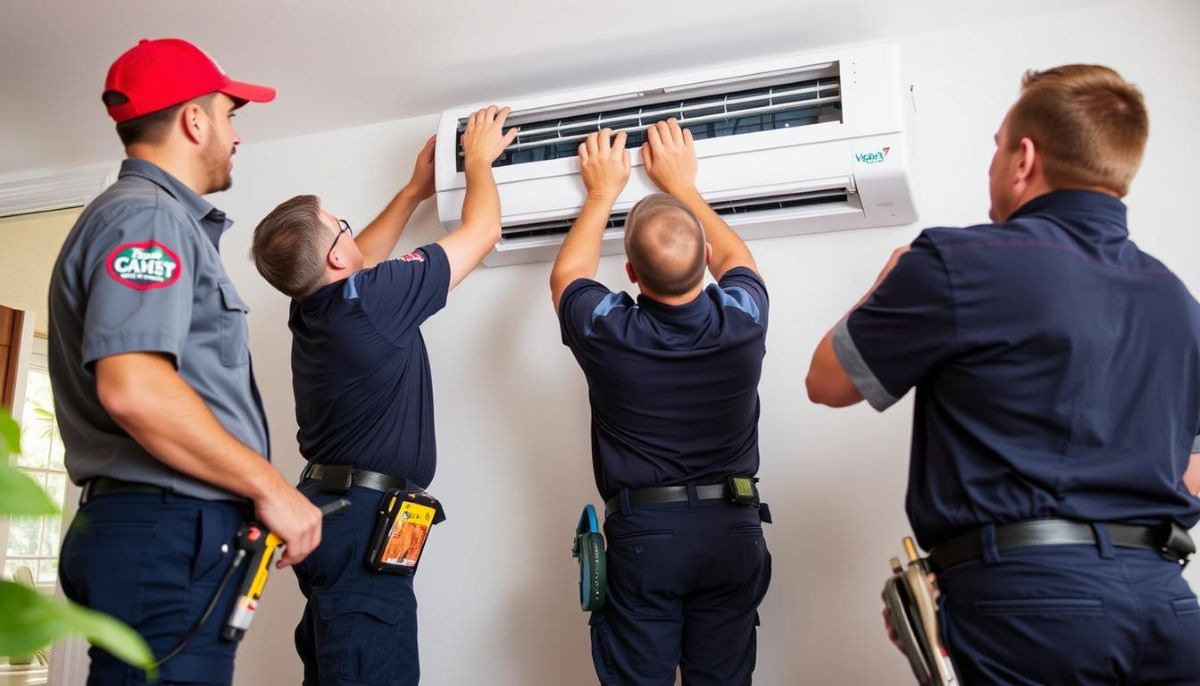
A proper mechanical inspection is usually cheaper than a surprise replacement. A qualified technician can test operation, measure temperatures, review controls, check airflow, inspect coils and filters, and flag compliance or safety issues.
For Commercial Air Conditioning Hills District transactions, buyers should make the air conditioning assessment part of the due diligence checklist alongside electrical, roofing and fire safety. If the system is critical to the tenancy, they should also negotiate access for full testing during typical operating hours, not just a quick walk-through.
More to Read : Commercial Air Conditioning Baulkham Hills: A Due-Diligence Guide for Better Property Decisions